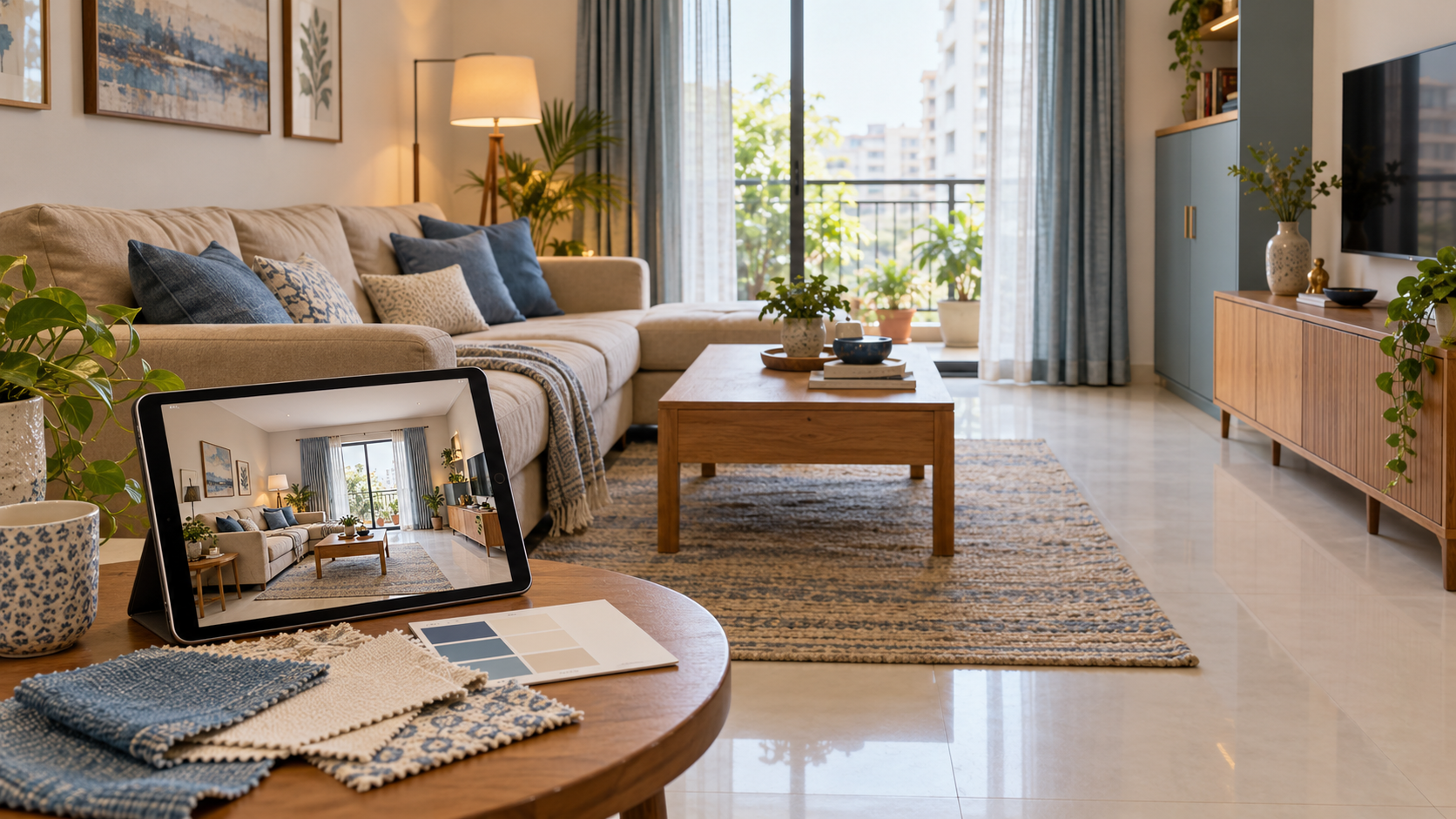
Living Room Design on a Budget: Plan the Essentials Before the Extras
Living room spending often grows through small decisions. A larger sofa leads to a different rug. A decorative TV wall adds electrical work. Extra display shelves introduce more lighting and accessories.
Each addition may seem manageable, but together they can push the project beyond your original budget.
The best starting point is a measured layout, a list of essential requirements and a spending limit that includes installation and finishing costs.
This guide explains how to build a living room design plan around everyday use, then choose where additional spending will make a worthwhile difference.
Start with What Your Living Room Needs to Do
Before choosing a style, define how the household uses the room.
Consider daily seating, television viewing, reading, working, children’s activities and occasional entertaining.
Separate regular requirements from occasional ones. A family that needs four comfortable seats every day may not need permanent seating for every possible guest.
Write a short brief covering:
Daily seating needs.
Furniture you want to retain.
Storage requirements.
Activities beyond watching television.
Problems with the current arrangement.
Your total spending limit. This becomes the basis for deciding whether a proposed purchase is necessary.
Measure the Room Before Shopping
Record the room’s length and width, along with doors, windows, columns and fixed features.
Measure retained furniture and mark the main walking routes. Include space to open drawers, operate doors and reach windows.
Check delivery access as well. A sofa needs to pass through the building and apartment entrance, not simply fit on the floor plan.
Buying the main furniture before checking the layout can make later decisions more expensive.
Create a Retain, Refresh and Replace List
Assess what you already own before building the shopping list.
| Category | Examples | What to check |
|---|---|---|
| Retain | A comfortable sofa, usable table or storage cabinet | Condition, dimensions and compatibility with the layout |
| Refresh | Upholstery, cushion covers or a furniture finish | Complete refurbishment cost and expected result |
| Replace | Damaged, unsuitable or badly sized furniture | Product price, delivery, assembly and disposal |
| Add | Missing task lighting or essential storage | Whether it solves a defined need |
Refurbishment is not automatically cheaper than replacement. Compare the complete costs and consider how long the item is likely to remain useful.
Build the Budget Before Choosing Finishes
Include every cost required to complete the room.
| Budget category | What it should cover |
|---|---|
| Planning | Any design consultation, visualisation or drawings |
| Main furniture | Sofa, chairs, tables and storage |
| Site work | Repairs, painting and necessary electrical changes |
| Lighting | Fixtures, accessories and installation |
| Furnishings | Curtains, blinds, rug and upholstery |
| Decoration | Artwork and selected accessories |
| Logistics | Delivery, assembly, removal and cleaning |
| Reserve | Unresolved costs and necessary adjustments |
Mark each amount as confirmed, estimated or unpriced.
Do not spend the entire allowance on furniture while leaving curtains, installation and delivery to be worked out later.
Prioritise the Purchases That Affect Daily Comfort
Choose the Sofa for Fit and Use
Start with suitable dimensions, comfortable seating and maintenance requirements.
Compare complete specifications rather than appearance alone. Check the frame, cushions, upholstery, care instructions and warranty terms.
Consider whether a smaller sofa with movable supplementary seating would suit the layout better than a large sectional.
Provide Storage for Actual Belongings
List what needs to be stored before designing a cabinet.
Remote controls, books, toys, documents and television equipment have different storage requirements. A compact unit with useful compartments may serve you better than extensive decorative cabinetry.
Plan Useful Lighting
Identify where people read, work or spend time in the evening.
A ceiling light, a suitable reading lamp and carefully placed task lighting may meet your needs. Decide what each additional fitting contributes before buying it.
Decide What Can Wait
Some improvements are easy to add later; others become disruptive once the room is finished.
| Usually worth resolving early | Often easier to add later |
|---|---|
| Necessary repairs | Additional artwork |
| Electrical requirements | Decorative cushions |
| Main furniture dimensions | Small accessories |
| Custom cabinet specifications | Occasional tables |
| Essential privacy arrangements | Optional accent seating |
Assess the sequence for your particular room. For example, postponing decorative accessories is different from postponing wiring that would require reopening a finished wall.
Keep the TV Wall Proportionate to Its Purpose
A TV wall can become a large expense through panels, cladding, lighting and display shelves.
Start with the equipment and storage requirements. Confirm screen placement, cable access, ventilation and electrical points.
Then compare design options:
A painted wall with a compact console.
A selected decorative finish.
A fitted unit with storage.
A more extensive panelled arrangement. Ask for each option to be priced separately. This lets you judge the additional cost without confusing it with essential work.
Compare Ready-Made and Custom Furniture Fairly
Ready-made furniture can be practical when suitable sizes are available. Custom furniture can help when an awkward space or specific storage requirement needs a fitted solution.
Neither is always cheaper.
| Comparison point | What to check |
|---|---|
| Dimensions | Does the piece fit and operate comfortably? |
| Materials | Are the specifications comparable? |
| Storage | Does it accommodate what you own? |
| Finish | Can you inspect a sample? |
| Installation | Is assembly or fixing included? |
| Flexibility | Can it move with you or adapt to another arrangement? |
Choose custom work where it solves a problem that standard furniture cannot address satisfactorily.
Use Colour and Furnishings to Coordinate the Room
You do not need to replace every item to achieve a consistent appearance.
Build the palette around retained furniture and flooring. Repeat a few colours across curtains, cushions, artwork or a rug.
Inspect samples together in the room before purchasing. This helps you avoid buying several items that look coordinated on separate screens but clash in person.
Keep patterns and textures selective so the room feels considered without needing more decoration.
Ask for Alternatives Before Approving Expensive Details
When a design exceeds your budget, request specific substitutions.
For example:
Reduce the extent of wall panelling.
Simplify a cabinet’s decorative features.
Compare different finishes on the same unit.
Retain usable furniture.
Remove storage that does not serve an identified need.
Postpone optional accessories. Ask how each change affects the price.
Avoid accepting an unexplained discount that also changes materials, hardware or quantities. Keep the revised specification clear.
An Illustrative Living Room Budget
The following example shows how a fixed allowance could be organised. It is not a market-price estimate or a quotation.
Assume a homeowner sets a total budget of ₹1,50,000:
| Category | Illustrative allocation |
|---|---|
| Main seating | ₹55,000 |
| TV storage and tables | ₹25,000 |
| Painting and minor preparation | ₹15,000 |
| Lighting and necessary electrical work | ₹10,000 |
| Curtains, rug and soft furnishings | ₹20,000 |
| Design, delivery, assembly and other charges | ₹10,000 |
| Reserve | ₹15,000 |
| Total | ₹1,50,000 |
Actual quotations may require a different allocation. If the room needs substantial repairs or extensive custom work, revise the scope or total rather than assuming every category will fit these amounts.
Review the Full Plan Before Placing Orders
Check that the selected pieces work together, not just individually.
Confirm:
- Furniture dimensions and walking routes.
- Door, drawer and cabinet operation.
- Electrical and lighting requirements.
- Material and colour samples.
- Delivery and installation arrangements.
- Taxes and additional charges.
- The remaining budget after all committed purchases. For custom furniture, have the responsible fabricator verify site measurements before production.
Planning Your Living Room with Houspire
Prepare room photographs, measurements and a clear list of furniture you intend to retain.
For a Houspire brief, explain your spending limit and identify the decisions you need help making. These might include choosing a visual direction, fitting storage into the room or coordinating existing furniture.
Review the selected package’s deliverables and confirm whether additional layouts, specifications or drawings are needed for execution.
Use the planning stage to resolve your priorities before committing to purchases.
Final Thoughts
A living room budget is easier to control when each purchase has a clear purpose.
Measure first, retain suitable pieces and prioritise comfort, storage and useful lighting. Price decorative additions separately so you can choose them without losing sight of the total.
Explore Houspire’s design plans to visualise your living room before placing execution orders.
Frequently Asked Questions
What should I buy first?
Finalise the layout, then prioritise main seating and essential furniture while retaining money for the rest of the room.
Can I keep my sofa?
Yes. If it fits and remains useful, coordinate finishes around it. Compare refurbishment and replacement costs.
Is custom furniture always more expensive?
No. Compare equivalent dimensions, materials, fittings and installed costs.
How do I compare execution quotations?
Give each vendor the same scope and identify exclusions. Read how to compare quotations.